A journey back to the rhythms of the land, sharing stories, herbs, and harvests from my family farm.
Winter at my Grandma's Kitchen
My grandmother didn't fear winter. She didn't fight the darkness or feel guilty about resting more. She just moved with it.
2/11/20254 min read
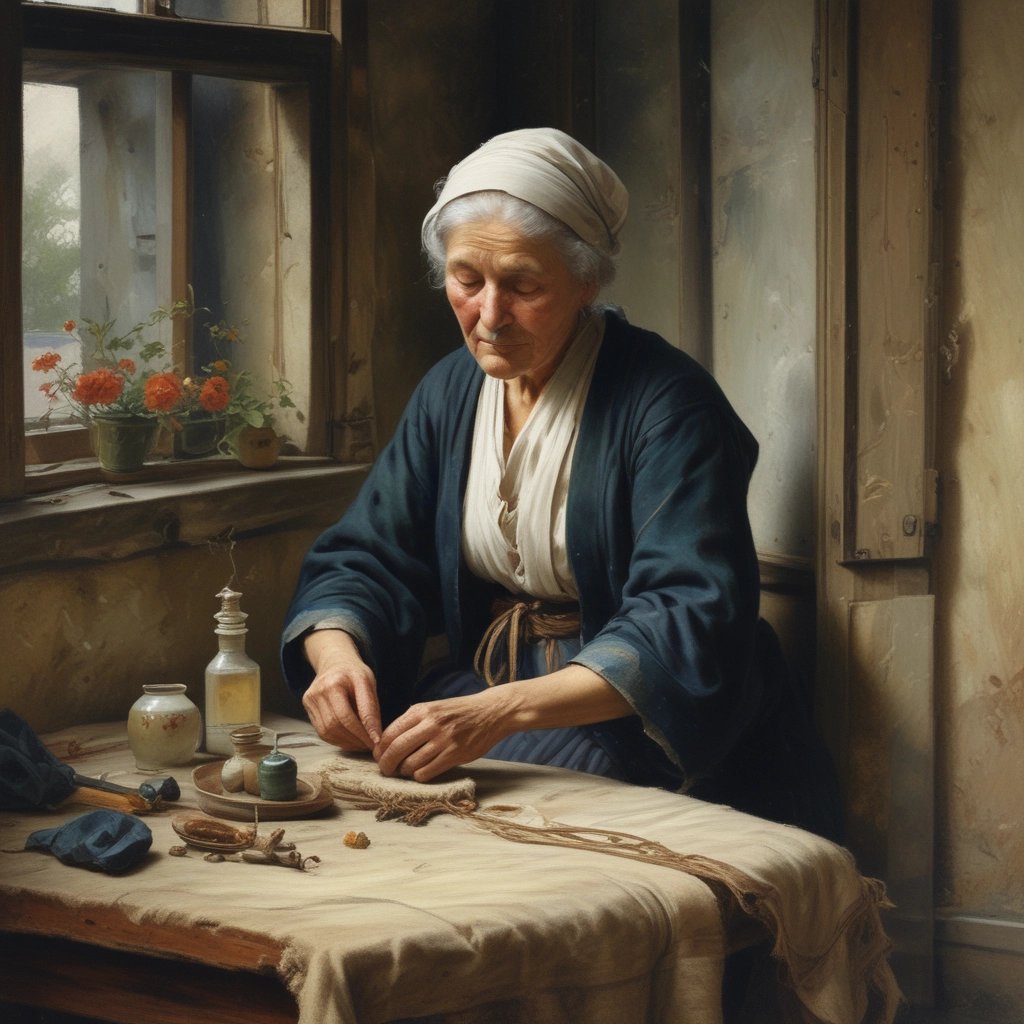
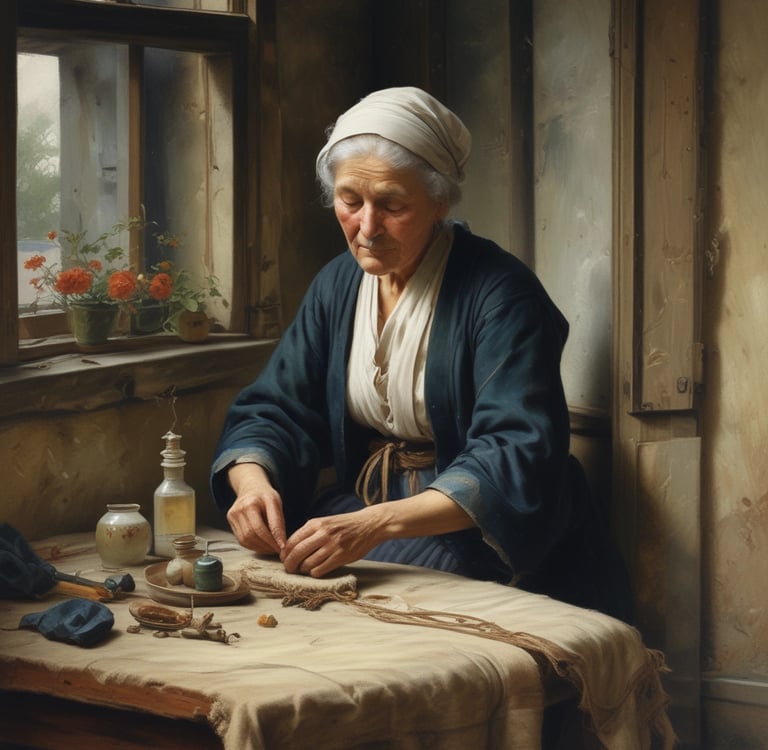
I remember my grandma sitting by the window on January afternoons, working with her hands. There was always something to do, but winter afternoons called for slower, quieter work as the daylight faded.
She never called it 'self-care' or 'rest,' and she didn’t feel guilty about it. For her, that was just what winter was for.
But winter feels different now.
We expect to have as much energy in January as we do in July.
We feel guilty for needing more sleep when it gets dark early.
We resist what our bodies are asking for.
When we push through winter instead of going with it, the effects aren’t always obvious at first. We might feel tired, irritable, or get sick more often. Over time, these signs add up and catch us off guard when our bodies finally say, 'Enough.'
Our bodies know what season it is. They give us gentle reminders, and if we ignore them, those signals get stronger.
Why don’t we listen to our bodies? We listen to our boss every day - but we ignore the body that’s here to protect us. We listen to our busy minds saying, 'I need to push more” - and again, we ignore the body that’s here to protect us. And believe me, our body will speak up. I know this because I didn’t listen. I tried to ignore my own body until, one day, it finally said, 'Enough.'
Our body knows what season it is.
The land shows us too. Everything is dormant, resting, and getting ready.
This isn’t laziness or failure. It’s nature’s wisdom.
Earlier to bed when it was dark.
Slower rhythms.
What did winter mean for my grandma?
Winter work was different and served another purpose. It was about mending, planning, and doing crafts indoors.
Food was stored and preserved. The work done in the fall made winter rest possible. It wasn’t a luxury; it was necessary. Today, we can use this wisdom by preparing for winter rest, too. Making hearty soups and stews ahead of time, or setting boundaries to make space for reflection and downtime. Activities like reading, crafting, or quiet walks can help us connect with the season's slower pace and make rest feel intentional.
I remember my grandma going to her neighbor's kitchen to process wool. Not the living room. The kitchen. The place where life happened. Five or six women would sit around the table by candlelight, singing songs, telling stories, and remembering the hard work of summer. They talked about what was cooking on the stove while making yarn from wool sheared months before, saved for these quieter winter days. She loved these gatherings; it was her time to reconnect with friends and other women.
When I think back to those days, seeing my grandma by the window in cold January, I notice all the differences between her life and the comforts we have today.
Electric lights let us pretend it isn’t dark.
Heating lets us pretend it isn’t cold.
Grocery stores let us pretend it isn’t winter. Tomatoes in January are possible now.
We ignore every signal the season gives us, and then we wonder why we feel so tired.
We think we’ve outsmarted our own bodies, but have we really?
Our bodies still know what season it is, even if our lives don’t reflect it.
Craving heavier foods that keep us going isn’t bad. It’s just part of the season.
Needing more sleep isn’t failing. It’s natural.
Having less social energy isn’t depression. We need time to reflect and turn inward. For animals, this is hibernation.
All these are signals, not problems.
What happens when we listen?
We stop fighting.
Adjusting to earlier evenings, simpler meals, more time indoors, and less ambition doesn’t mean we’re giving up. It means we’re moving with the season. Evening rituals like sipping herbal tea and reflecting on our day or spending a few minutes journaling. Mindful indoor activities, like knitting, painting, or anything we enjoy and find calming, can help us embrace winter’s slower pace. These small, intentional practices let us honor the season’s rhythm and listen to our body’s wisdom.
Resting in winter becomes fuel for spring’s arrival.
I am realigning how I spend my time this winter.
I’m making a conscious effort to rest more and align with the season and the land. Winter is my time for making things with my hands, like blending tea from herbs I grew last year, doing embroidery, processing wool, or reading books.
I’m not pushing to be productive the way summer demands. I’m still doing things, just in a different way. Focusing on writing, planning, dreaming, and other indoor work.
All this 'work' isn’t dormancy. It’s preparation, only without the rush.
Most importantly, I’m giving myself permission to slow down. It can feel uncomfortable or even make us feel guilty, as if we’re not meeting today’s expectations. But it’s a real and healthy choice that honors a natural cycle rather than fighting it.
Give yourself this self-compassion and know your body and mind will thank you. Can you let yourself prepare in winter without the rush? You don’t need as much energy in January as in July. Your grandmother didn’t, and the land doesn’t either.
Can you give yourself permission to prepare in winter without the hustle? You don’t need as much energy in January as in July. Your grandmother didn’t, and the land doesn’t either.
The question:
Ask yourself: what would change if you let winter be winter?
What would you do differently if you gave yourself permission to slow down?
How would your body feel if you stopped fighting the season?
Winter is teaching you something your grandmother knew. Your intuition knows it too, and you’re starting to remember.
The earth rests in winter. Seeds rest. Animals rest. Your grandmother rested too.
What would change if you let winter be winter?
What is your body asking for right now?
Adri